Onsen Etiquette: What Nobody Explains Before Your First Visit
The washing, the silence, the tattoos — what actually matters and what doesn't
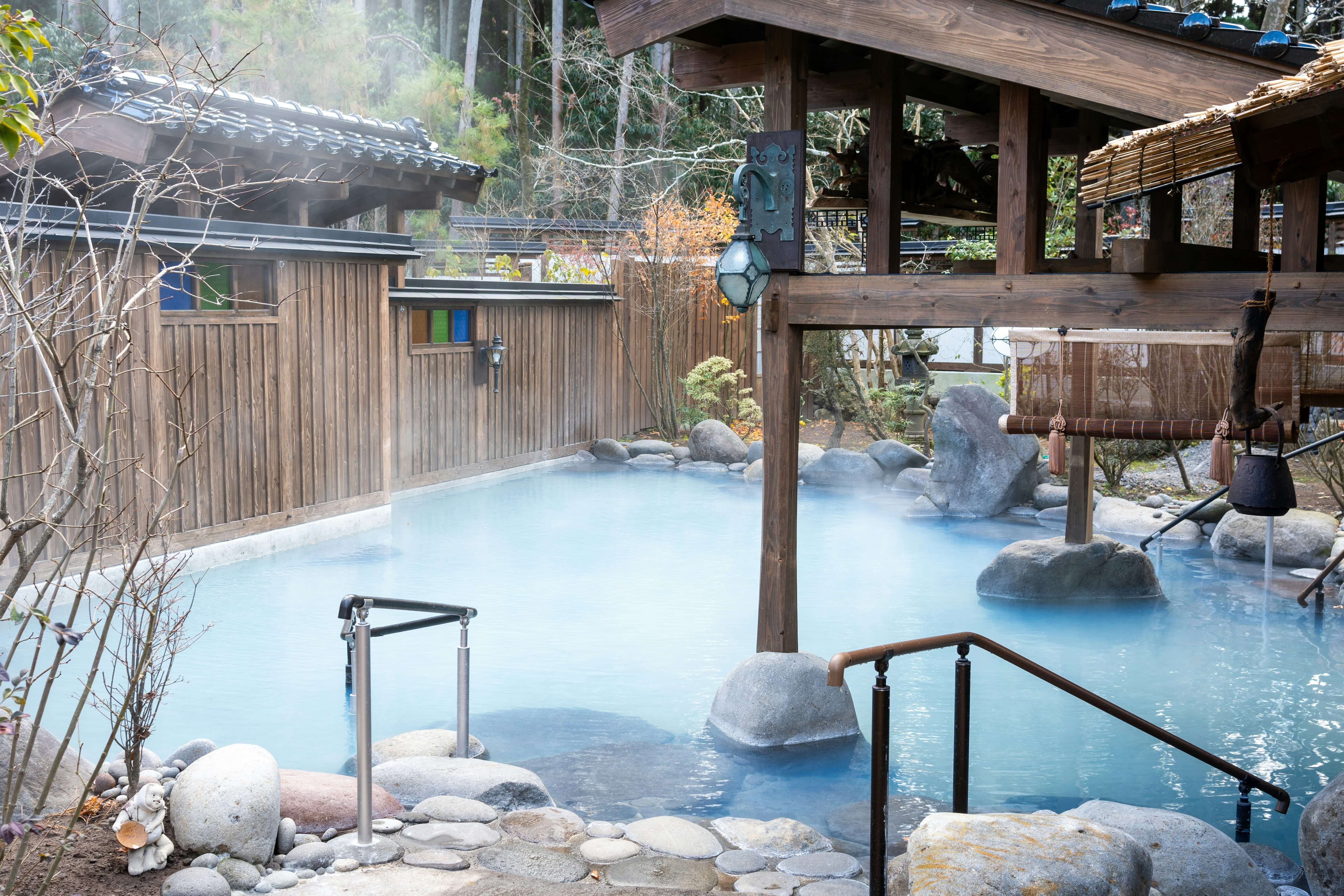
Onsen anxiety is real — most visitors have heard "there are rules" without ever hearing what they are. Here's the actual list, minus the guilt-tripping.
You wash before you soak, not after
This is the one rule that matters most. Every onsen has a row of low stools and handheld showers near the entrance to the bathing area. Sit down, rinse off completely, and if soap is provided, use it. The bath itself is for soaking, not scrubbing — it's shared water, and everyone before you did the same thing.
Nobody's going to stop you if you skip it, but it's the fastest way to get side-eye from regulars, and honestly, once you're used to it, walking straight into hot water without rinsing off first will feel wrong too.
The tattoo question
This one's genuinely inconsistent, so it's worth checking ahead rather than guessing. Traditionally, tattoos were linked to organized crime in Japan, so many onsen — especially older, local ones — still ban them outright. But a growing number of places, particularly ones used to tourists, either allow small tattoos, offer cover-up stickers, or don't check at all.
If you have visible tattoos and want a smooth experience, look for "tattoo-friendly" in the description when booking, or call ahead. Ryokan (traditional inns) with private baths sidestep the issue completely, since you're bathing alone or with your own group.
Your towel has two jobs, and one of them isn't in the water
You'll usually get two towels: a large one to dry off with, left in the changing room, and a small one you bring into the bathing area. That small towel is for modesty on the walk to the bath and for wiping your face — it does not go in the water. Most people fold it and set it on their head or the edge of the bath while soaking.
Yes, you're naked. No, nobody's looking
Bathing is done nude — swimsuits aren't worn in a traditional onsen. This is usually the biggest hurdle for first-timers, but the etiquette here is actually pretty relaxing: everyone's focused on their own soak, not on other people. Staring is considered rude, so in practice it feels far less exposed than it sounds.
Gender-separated baths are standard (look for red/pink for women, blue for men), though some ryokan have mixed baths or private "family baths" you can reserve, which are a good option if you'd rather not do the public version at all.
What else to know
- Long hair goes up, out of the water.
- Phones stay in the locker — no photos, ever, even of empty baths.
- Jewelry comes off before you get in; the minerals in the water can tarnish metal.
- If you have an open cut, a cold, or a fever, it's generally considered polite to skip the communal bath that day.
None of this is as strict as it sounds on paper. Once you've done it once, it's closer to a ritual than a test — and it's one of the more relaxing things you'll do on a trip to Japan.
Ready to Start Your Japan Adventure?
Let our experienced guides help you create the perfect itinerary.
Plan Your Trip