How to Visit a Shrine or Temple in Japan Without Feeling Lost
The purification ritual, the bow, and how to tell a shrine from a temple
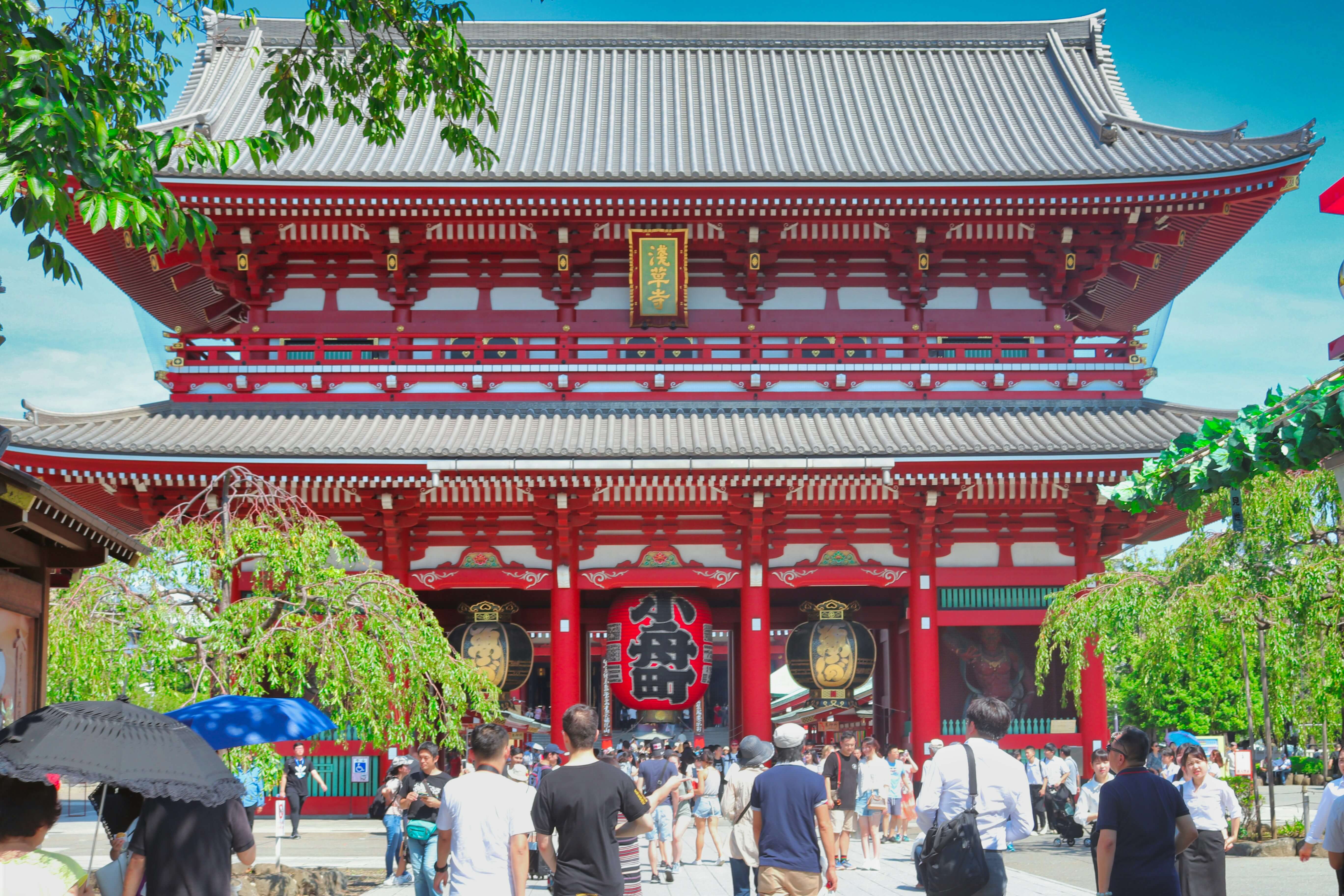
Quick answer: Shrines have red torii gates, temples have roofed gates with statues. At a shrine: bow twice, clap twice, bow once. At a temple: just a quiet bow. That's the core of it — details below.
Shrine or temple? Look at the gate
Shrine (jinja) — Shinto. Look for a torii gate: a red or wooden doorway-shaped gate, no walls.
Temple (tera / -ji) — Buddhist. Look for a roofed gate, sometimes with guardian statues.
Not sure which one you're at? Just follow what locals around you are doing — it works either way.
Purification: the water basin ritual
Most shrines have a small water pavilion near the entrance (the temizuya). Quick 10-second ritual before you approach the main hall:
- Ladle in right hand — rinse your left hand
- Switch hands — rinse your right
- Pour water into your right hand — touch to your lips (don't drink from the ladle)
- Tilt the ladle upright so water rinses the handle, then replace it
How to pray
At a shrine:
- Toss a coin into the offering box
- Bow twice
- Clap twice
- Make your wish silently
- Bow once more
A ¥5 coin is considered lucky — the word for it sounds like "good relationship."
At a temple: No clapping. Just a quiet bow, hands pressed together, a moment of silence. If incense is burning, some visitors waft the smoke toward themselves first — optional, not required.
4 things that matter more than getting the ritual perfect
- Walk to the side of the path through a torii gate, not straight down the middle — the center is traditionally for the deity
- Keep your voice down near the main halls, even if the grounds feel park-like
- Check for photo restrictions — usually fine outdoors, often restricted inside halls or near altars
- Remove shoes when asked — there's always a shelf or bags at the entrance, and it's obvious from everyone else doing it
You don't have to pray at all
Walking through respectfully, without doing the prayer sequence, is completely normal. What actually matters: calm behavior, quiet voices near the halls, and not treating the space purely as a photo backdrop.
Ready to Start Your Japan Adventure?
Let our experienced guides help you create the perfect itinerary.
Plan Your Trip