Welcome Suica: The IC Card Made Specifically for Tourists in Japan
No deposit, no return trip to a ticket counter — here's how it actually works
If you're flying into Tokyo, skip the regular Suica line and get a Welcome Suica instead. It's a version made specifically for visitors, and it fixes most of the annoyances of the standard card.
Official info: https://www.jreast.co.jp/en/multi/welcomesuica/welcomesuica.html
What makes it different from a regular Suica
Functionally, nothing — same chip, same tap-and-go system, works at every gate and register a normal Suica does. The differences are all in the rules around it:
- No ¥500 deposit. You pay a flat ¥1,000 to activate it, and that's it — no counter visit later to get money back.
- It's valid for 28 days from first use, then it stops working. Fine for almost any trip, but not something to hold onto for a return visit next year.
- It comes in a red-and-white sakura design instead of the standard green, so it doubles as a decent souvenir.
- Balance is capped at ¥20,000, which is more than enough for daily use.
- You'll also get a small paper slip (a "reference paper") with your card — it has your expiration date on it. Worth holding onto in your wallet in case anyone asks to see it.
If you're staying longer than 28 days, or you visit Japan often and want a card that lasts, the regular green Suica (with the deposit) is the better long-term option. For a standard one-to-three-week trip, Welcome Suica is simpler.
Where to actually buy one
This is the part that trips people up: it's not sold everywhere. Physical Welcome Suica cards are sold at JR East Travel Service Centers at Narita Airport (Terminals 1, and 2/3) and Haneda Airport (Terminal 3), plus a handful of stations in central and eastern Japan — Tokyo, Shibuya, Shinjuku, Ikebukuro, Ueno, Yokohama, and Sendai.
There are also dedicated multilingual vending machines at the three airport terminals that sell it without a counter queue, which is worth looking for if the service counter line looks long. No passport or ID is required either way, and in principle it's limited to one card per person.
A practical note: lines at the Shinjuku and Ikebukuro counters can run over 30 minutes during busy travel periods. If you land at Narita or Haneda, it's genuinely easier to grab one right after immigration than to wait until you're in the city.
For iPhone users: skip the physical card entirely
If you have an iPhone, the Welcome Suica Mobile app lets you issue a digital card directly in Apple Wallet — no airport counter, no queue. It's in English, lasts 180 days instead of 28, and you can top up straight from the app using a credit card registered to Apple Pay. It also links to JR East's train reservation system, so you can book and ride certain Shinkansen and limited express lines — including the Narita Express — without printing a ticket.
Official app info: https://www.jreast.co.jp/en/multi/welcomesuicamobile/
The catch: it's Apple Wallet only for now. Android users still need the physical card, and there's currently no way to convert a physical Welcome Suica into a digital one.
Charging it
Once you have the card, topping up works the same as any Suica: insert cash at a station ticket machine, tap the card, choose an amount. You can also charge at convenience store registers — 7-Eleven, Lawson, FamilyMart all do it — which is handy if you're not near a station. Amounts aren't locked to round numbers once the card is active, but the total balance can't go over ¥20,000.
Using it day to day
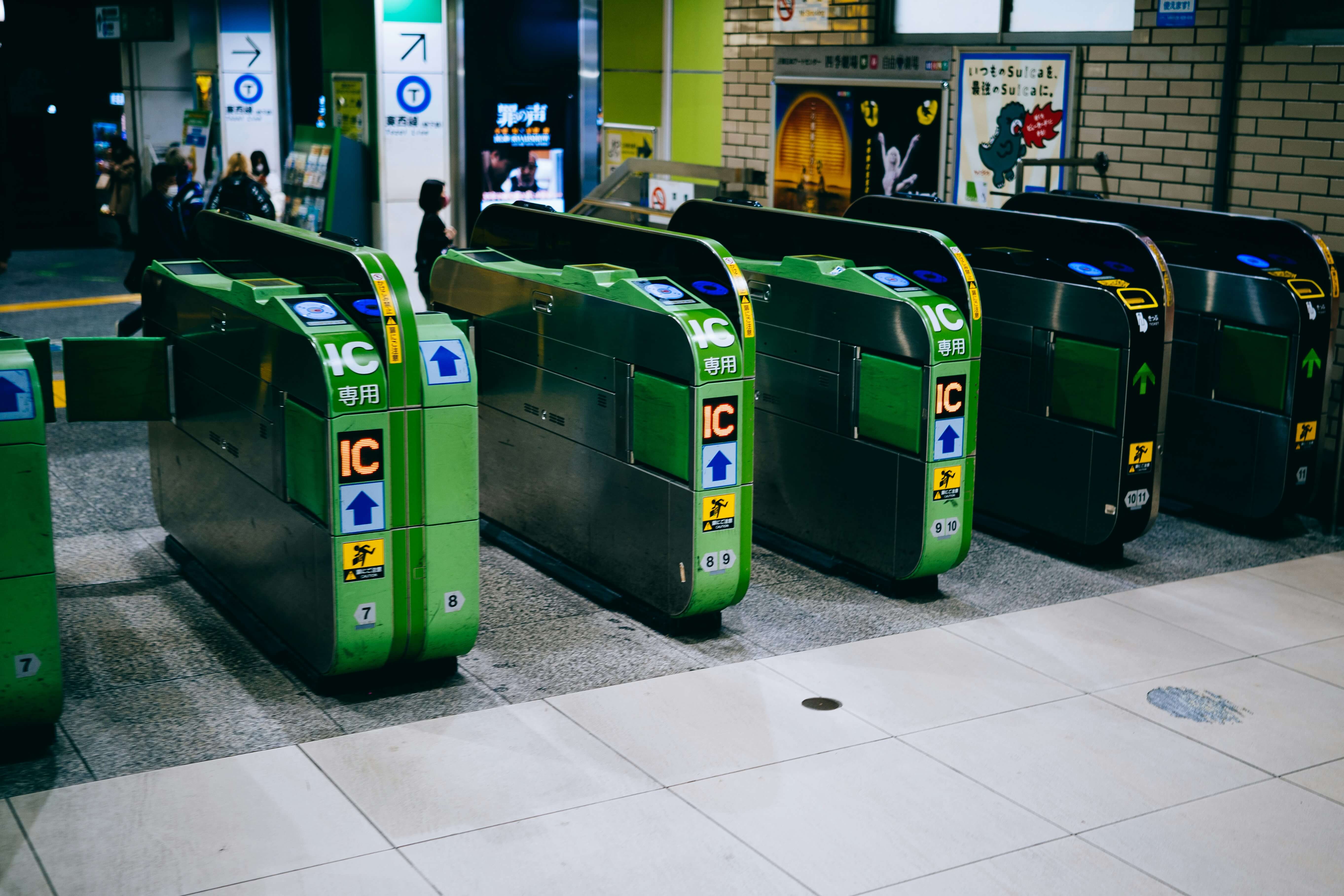
Anywhere you see the small IC symbol near a register or gate, you can tap:
- Trains, subways, and most city buses (including Kyoto's otherwise-confusing flat-fare bus system)
- Convenience stores and a lot of vending machines
- Coin lockers at stations
- Some taxis and restaurants
Tap it flat against the reader and keep walking — don't jab it in like a doorbell. A buzz and red light usually just means the balance is too low; step aside so you're not blocking the gate, top up, and try again.
Is it worth it over a regular Suica
For most tourist trips, yes. You skip the deposit hassle entirely, and unless you're planning to come back within four weeks, there's nothing to return. The only reason to go with the standard green Suica instead is a longer stay or frequent return visits, where the no-expiry version is more practical long-term.
Availability can shift over time, so it's worth a quick check on the official JR East page above before you fly, just to confirm the airport counter or machine you're counting on is still active.
Ready to Start Your Japan Adventure?
Let our experienced guides help you create the perfect itinerary.
Plan Your Trip