Cash or Card in Japan? What You Actually Need to Carry
Japan is more cashless than it used to be — but not everywhere yet
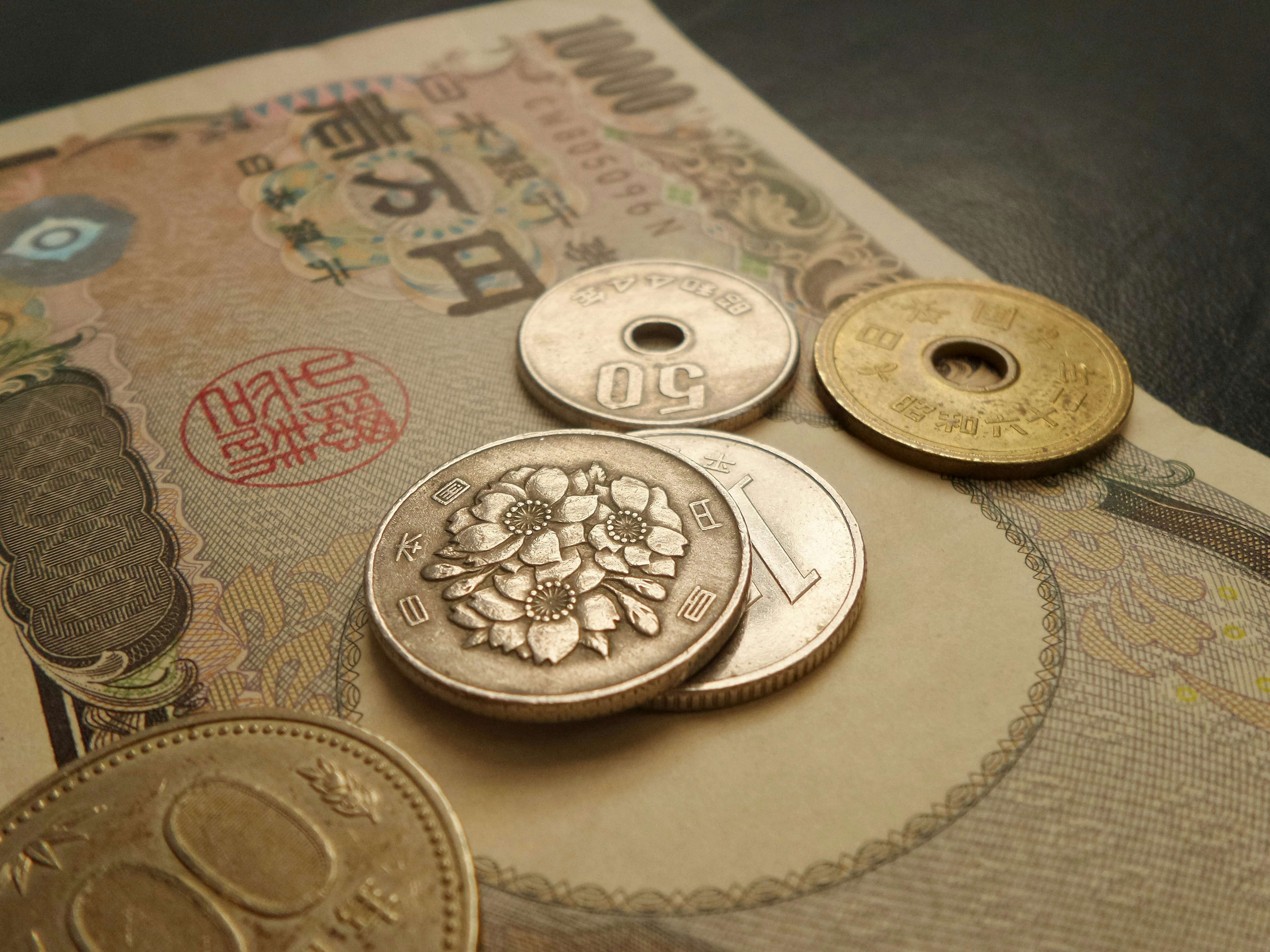
Quick answer: Cards and QR payments now work in most cities, but Japan still isn't fully cashless. Carry ¥10,000–¥15,000 in cash per week as a buffer, and lean on cards for everything else.
Japan's cashless rate, in one number
Source: Japan's Ministry of Economy, Trade and Industry (METI), 2025 data
Japan's cashless payment ratio hit 58.0% in 2025 under the new domestic measure (or 46.3% under the older international-comparison measure). That's a real jump from a decade ago, but it also means over 40% of spending still happens in cash — higher than most Western countries.
Where cards & QR payments work fine
- Department stores, chain restaurants, hotels
- Convenience stores (7-Eleven, Lawson, FamilyMart)
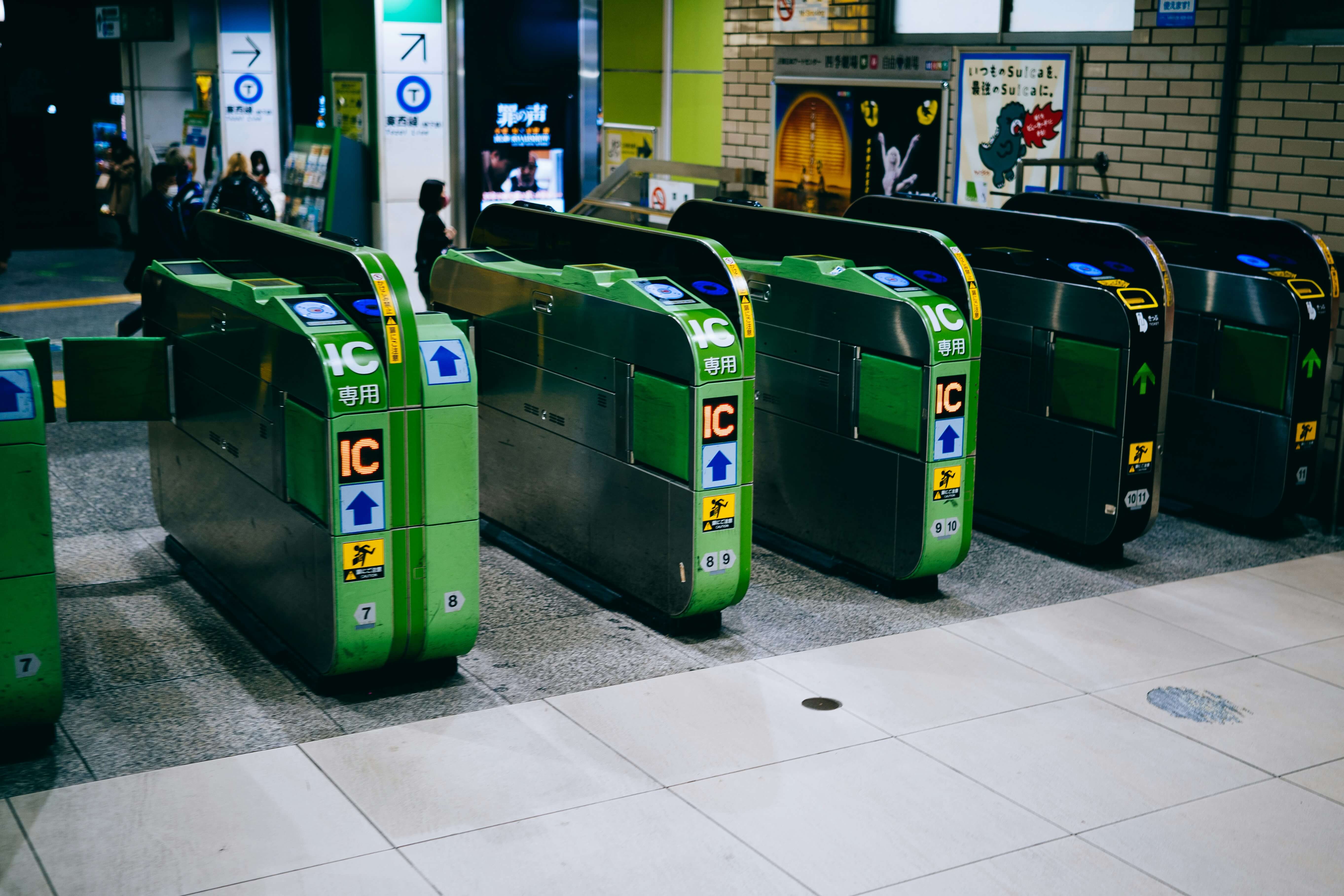
- Train stations, most taxis in major cities
- Large tourist attractions and museums
Where you'll still want cash
- Small local restaurants and izakaya, especially family-run ones
- Shrines and temples — offerings, omikuji (fortune slips), amulets
- Local markets and street food stalls
- Small towns and rural areas, where card readers are less common
- Some coin lockers and older vending machines
A simple rule: the smaller or more traditional the place, the more likely it's cash-only.
Payment method comparison
| Method | Best For | Notes |
|---|---|---|
| Credit/debit card | Hotels, stores, restaurants | Visa/Mastercard widely accepted; Amex less so |
| IC card (Suica/Pasmo) | Trains, buses, konbini, vending machines | See our Welcome Suica guide |
| QR payment (PayPay etc.) | Small shops, some restaurants | Mostly requires a Japanese bank account to set up — not practical for short trips |
| Cash | Everywhere, especially small/local spots | Always the fallback |
ATMs: where to actually withdraw
Not all ATMs in Japan accept foreign cards. The two most reliable:
- 7-Eleven ATMs (Seven Bank) — inside almost every 7-Eleven, accepts most foreign cards, English menu available
- Japan Post Bank ATMs — inside post offices, also widely compatible
Bank-branch ATMs (MUFG, SMBC, etc.) often don't accept foreign cards, so don't count on them as a backup.
A few things worth knowing
- Tax-free shopping requires your passport at checkout — bring the physical passport, not a photo of it.
- Tipping isn't expected anywhere in Japan, including restaurants and taxis — leaving cash on the table can actually cause confusion.
- Exchange counters at the airport have worse rates than 7-Eleven ATMs — withdrawing yen directly is usually cheaper than exchanging cash.
- Notify your card issuer before you travel — some flag Japan transactions as unusual activity and freeze the card.
The practical takeaway
Bring one or two cards for the big spending (hotels, shopping, transport), and keep a rotating cash buffer of ¥10,000–¥15,000 for the small stuff — temples, local food stalls, rural towns. Running out of cash in a small town on a Sunday, when the one ATM that takes foreign cards is closed, is the actual failure mode worth planning around.
Ready to Start Your Japan Adventure?
Let our experienced guides help you create the perfect itinerary.
Plan Your Trip